
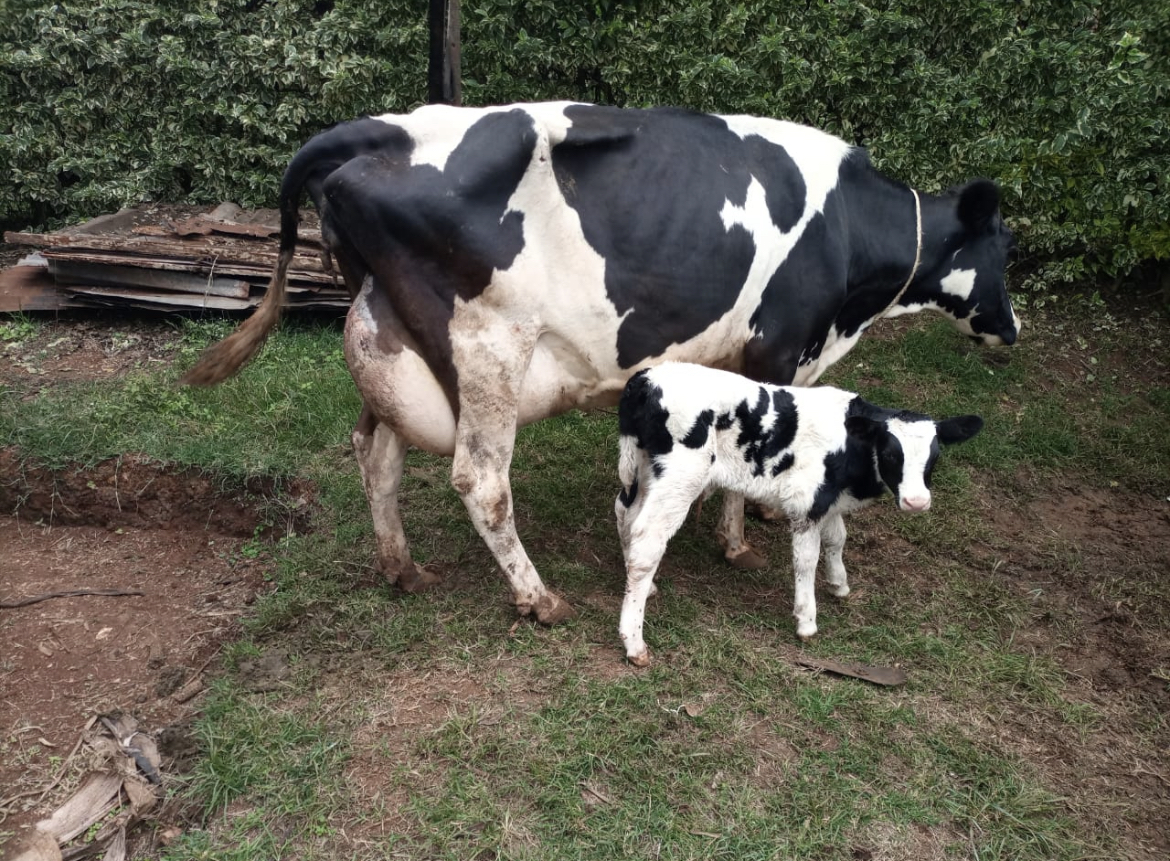
Making the right choice when purchasing a dairy cow is critical for your investment’s profitability. Here are the essential factors to evaluate:
1. Health Status
-
Veterinary Certification: Always insist on a recent veterinary health report. The cow must be tested free of chronic diseases like Brucellosis, Tuberculosis (TB), and East Coast Fever (ECF).
-
Physical Condition: Check for clear eyes, a shiny coat, and a moist nose. The cow should be alert and active, not lethargic.
-
Udder Health: Examine the udder carefully. It should be soft, well-balanced, and free of any hardness, swelling, or mastitis scars. The teats should be uniform and functional.
2. Production & Breeding History
-
Milk Yield Records: Ask for verifiable records of the cow’s daily milk production in its previous lactation. Be wary of claims without proof.
-
Age and Lactation Stage: Ideally, buy a cow in her 2nd or 3rd lactation (after 2-3 calvings) as she has proven her ability to produce and carry a pregnancy. Avoid very old cows (e.g., over 7 years).
-
Calving Interval: A good dairy cow should have a calving interval of 12-14 months. Long intervals indicate fertility problems.
-
Sire and Dam Records: Inquire about the milk production history of its mother (dam). High-yielding genetics are a strong indicator of future potential.
3. Breed and Suitability
-
Choose the Right Breed: Select a breed that suits your region’s climate and your goals.
-
Friesian: Best for cool highlands; high yield (20-30L/day).
-
Jersey/Ayrshire: Good for moderate areas; efficient feed converters.
-
Crossbreeds (e.g., Sahiwal-Friesian): More resilient in warmer, drier regions.
-
-
Temperament: The cow should have a calm and docile temperament. A nervous or aggressive animal is difficult and dangerous to manage.
4. Physical Conformation
-
Body Frame: Look for a strong, wedge-shaped body (wider at the rear than the front) indicating good milk capacity.
-
Legs and Feet: The legs should be strong and straight, with healthy hooves, to support the animal’s weight for years.
-
Udder Attachment: A strongly attached udder with well-placed teats is less prone to injury and mastitis.
5. Purpose of Purchase
-
In-Calf Heifer: You are investing for the future. Confirm the pregnancy status and how many months in-calf she is.
-
Lactating Cow: You want immediate milk income. Verify the current stage of lactation (peak yield is best) and production level.
-
Dry Cow: A cheaper option if you have the time and resources to care for her until she calves.
6. Source and Reputation
-
Buy from a Reputable Farm: Purchase from established, reputable breeders like Uwezo Farm who provide accurate records and after-sale support.
-
Avoid Unverified Sellers: Be cautious of buying from random markets where health and production history are unknown.
7. Budget and Hidden Costs
-
Total Cost: Factor in not just the purchase price, but also transport, initial veterinary checks, quarantine, and adaptation feed.
-
Value vs. Price: The cheapest cow is often the most expensive in the long run due to health issues and low production.
Summary Checklist for Buyers:
✔️ Verified health status (vet report)
✔️ Proof of milk production & calving history
✔️ Suitable breed for your climate
✔️ Good physical conformation (udder, legs, body)
✔️ Clear purpose (in-calf, lactating, dry)
✔️ Reputable source with a good reputation
✔️ Budget for total cost of ownership
📞 For Healthy, High-Yielding Dairy Cows, Contact Us:
Uwezo Farm
📍 Miharati, Kipipiri, Nyandarua
📲 0717 548 103
✉ info@uwezofarm.co.ke
Invest wisely—your cow is the foundation of your dairy business.