
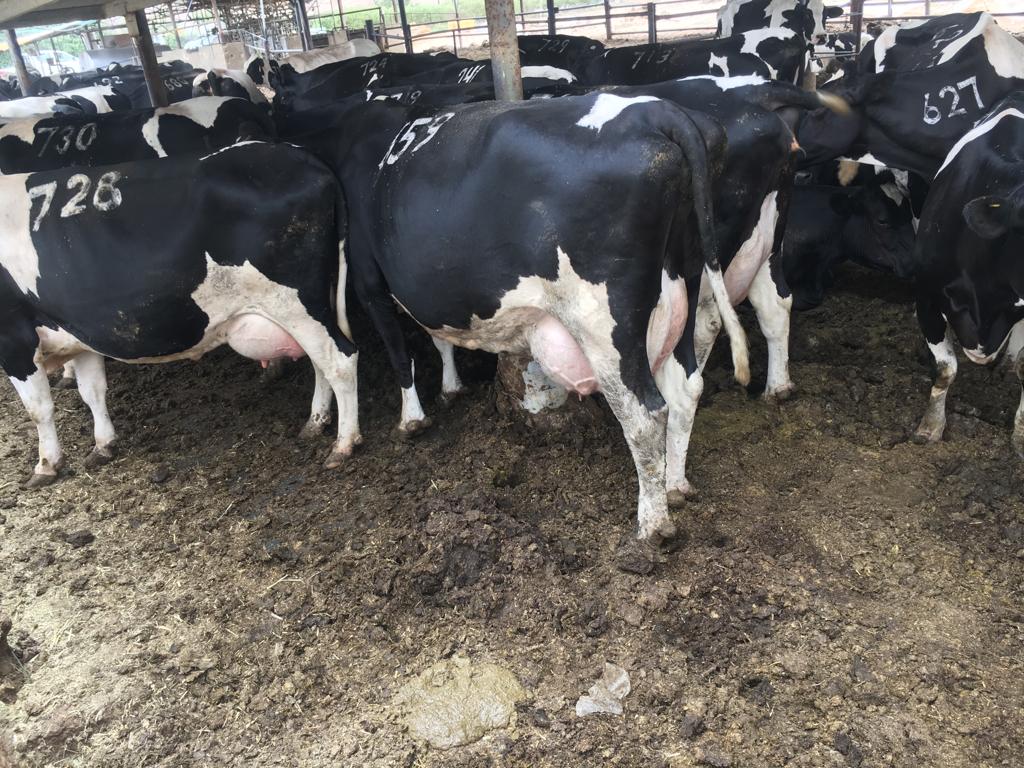
Starting a dairy farm in Kenya is a significant undertaking that requires meticulous planning and substantial capital. While funding is essential, it is not the sole ingredient for success. The cornerstone of a prosperous operation is strategic planning and having clear, achievable goals. Pair this with a genuine passion for farming, and you are on the path to a rewarding venture.
This guide will focus on the two most critical factors that determine milk production: Breed Selection and Nutrition. We will also briefly cover other vital aspects like Health, Reproduction, and Housing. Mastering these fundamentals will set you on the right track.
1. Breed Selection: Choosing Your Herd’s Foundation
Your primary goal is to produce milk profitably. The breed you choose is the single biggest factor influencing your daily yield, assuming you provide excellent management, nutrition, and healthcare.
Here are the main dairy breeds available in Kenya:
-
Friesian: The high-yield champion, producing 25–30 litres per day on average. Thrives best in cooler climates.
-
Jersey: Known for high butterfat content in its milk and efficient feed conversion. Yields 15–20 litres per day and adapts well to warmer areas.
-
Ayrshire: A hardy and adaptable breed with a typical yield of around 20 litres per day.
-
Guernsey: Produces rich, golden-tinted milk and can yield up to 25 litres per day.
-
Fleckvieh (Dual-Purpose): Valued for both milk (18-20 litres/day) and beef, offering flexibility.
The Importance of a Consistent Calving Cycle
A cow should give birth every year. This is crucial for maintaining a steady milk supply and generating new heifers to replace older cows. To achieve this, implement a strict breeding program.
Always Use Artificial Insemination (AI)
AI is the most effective method for breeding. It provides access to superior, disease-free genetics from proven bulls worldwide, steadily improving your herd’s quality and productivity over time.
A Note for Beginners: While purchasing high-grade cows is ideal, it can be costly. A strategic alternative is to start with good local breeds and use AI to gradually improve their genetic potential over generations. This is a long-term strategy that can be more budget-friendly.
2. Nutrition: Fuel for Production
A dairy cow is a biological factory. The quality and quantity of the inputs (feed) directly determine the output (milk).
-
Provide a Balanced Diet: Cows require a mix of high-quality forage (like Napier grass or Lucerne) and energy-rich concentrates (dairy meal).
-
Ensure Constant Access: Fresh, clean water and nutritious feed must be available to your herd at all times to support high milk production and overall health.
Other Critical Factors for Success
-
Health: A proactive herd health program involving regular vaccinations, deworming, and prompt treatment of illness is non-negotiable.
-
Reproduction: Effective heat detection and timely insemination are key to achieving that vital yearly calving.
-
Housing: Proper shelter that is clean, well-ventilated, and spacious reduces animal stress and prevents disease.
📞 For Premium Dairy Cattle & Expert Guidance, Contact Us:
Uwezo Farm
📍 Miharati, Kipipiri, Nyandarua
📲 0717 548 103
✉ info@uwezofarm.co.ke