
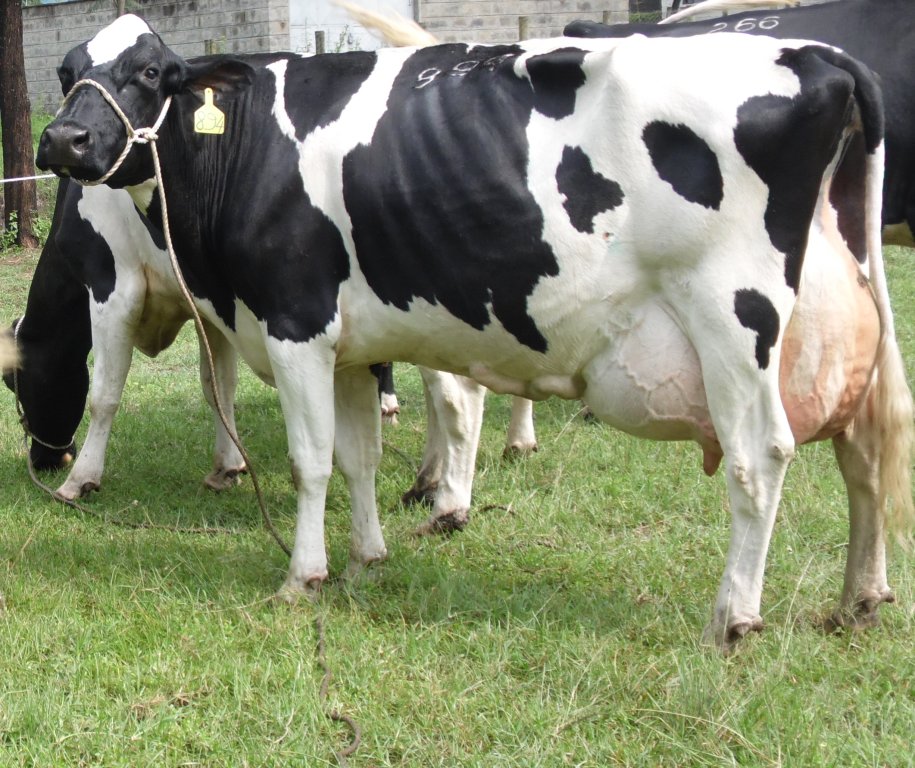
When buying Friesian (Holstein-Friesian) heifers in Kenya, it’s essential to conduct a thorough evaluation to ensure you’re investing in healthy, productive animals that will perform well in your dairy operation. Here’s a comprehensive checklist to guide you:
1. Health Status
- Veterinary Inspection: Have a qualified veterinarian examine the heifer before purchase.
- Vaccination Records: Confirm she’s been vaccinated against common diseases (e.g., East Coast Fever, Foot and Mouth Disease, Lumpy Skin Disease, Anthrax).
- Deworming History: Check for internal and external parasite control.
- Signs of Illness: Look for:
- Clear eyes and nose (no discharge)
- Smooth, shiny coat
- Normal breathing
- Alert and responsive behavior
- No lameness or swollen joints
- Mastitis Test: Even though she hasn’t calved, check udder development for abnormalities.
2. Age and Stage of Development
- Age: Ideal age for a heifer is 12–18 months (pre-breeding or recently bred).
- Too young (<12 months): May not be ready for breeding.
- Too old (>24 months without calving): Could indicate fertility or management issues.
- Weight: Should weigh 250–350 kg depending on age and nutrition.
- Dentition: Check teeth to estimate age (e.g., 2 permanent incisors by ~18 months).
3. Pedigree and Breeding History
- Purebred vs. Crossbred: Confirm if it’s a pure Friesian or cross (e.g., Friesian × Jersey or Ayrshire). Pure Friesians give high volume but lower fat.
- Sire/Dam Information: Ask for pedigree or breeding records—good genetics improve milk yield.
- Pregnancy Status (if applicable):
- If sold as “in-calf,” confirm pregnancy via rectal palpation or ultrasound.
- Know the expected calving date.
4. Conformation and Physical Traits
Look for good dairy conformation:
- Udder: Even if not developed, check for:
- Properly placed teats (not too close or too far apart)
- No signs of injury or deformity
- Good udder attachment (will support high milk production later)
- Body Structure:
- Strong legs and feet (no splayed hooves or lameness)
- Straight back and good rump angle
- Wide chest and well-sprung ribs (indicates good capacity for feed intake)
- Frame: Friesians are large-framed—should look well-proportioned, not stunted.
5. Source and Farm Reputation
- Buy from Reputable Sources:
- Certified government farms (e.g., Livestock Breeding Centres like Naivasha, Kieni, or Kitale)
- Registered private farms or AI service providers (e.g., KAGRC, KALRO, or Genus ABS partners)
- Avoid unverified roadside sellers or brokers without documentation.
- Ask for Records:
- Birth date
- Parentage
- Vaccination and treatment history
- Growth performance
6. Adaptability to Your Environment
- Friesians are high-producing but sensitive to heat, poor nutrition, and disease.
- Ensure your farm has:
- Good-quality feed (dairy meal, Napier grass, legumes)
- Clean water
- Shade and proper housing
- Access to veterinary services
- In hotter or drier areas (e.g., Eastern Kenya), consider Friesian crosses (e.g., with Sahiwal or Boran) for better resilience.
7. Legal and Administrative Checks
- Animal Identification: Should have an ear tag or tattoo with a unique ID.
- Movement Permit: Required when transporting livestock in Kenya (issued by the Sub-County Veterinary Office).
- Bill of Sale: Get a proper receipt with seller’s details, animal ID, and date.
8. Price Considerations
- As of 2024, a healthy Friesian heifer in Kenya typically costs KSh 80,000 – KSh 150,000, depending on age, pedigree, and location.
- Avoid unusually low prices—they may indicate health or genetic issues.
Bonus Tip:
Quarantine New Animals
Isolate the heifer for 2–4 weeks after purchase to monitor for hidden illnesses and prevent disease spread to your existing herd.
By carefully checking these factors, you’ll increase your chances of acquiring a productive, healthy Friesian heifer that contributes positively to your dairy enterprise in Kenya.