
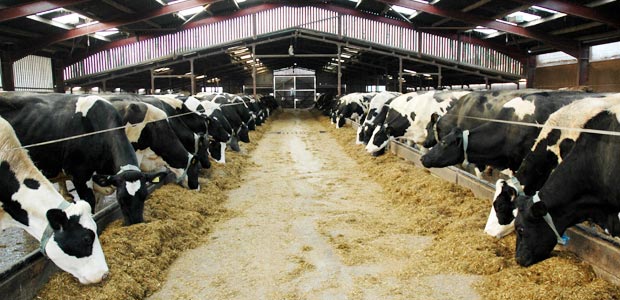
Essential Things to Know Before Starting a Dairy Farm in Kenya
Starting a dairy farm in Kenya can be a profitable venture, but it requires careful planning, investment, and proper management. Below are the key factors you need to consider before launching your dairy farming business.
1. Market Research & Business Planning
✅ Understand Demand:
-
Kenya’s dairy sector contributes 4% to GDP, with growing demand for milk and dairy products .
-
Identify buyers: Cooperatives (KCC, Brookside), schools, hotels, or direct consumers.
-
Consider value addition (yogurt, cheese, mursik) for higher profits.
✅ Develop a Business Plan:
-
Include startup costs, feeding plans, herd expansion strategy, and marketing approach .
-
Estimate break-even period (typically 14–16 months for a 10-cow farm) .
2. Choosing the Right Location
✅ Ideal Areas:
-
High-potential regions: Central Kenya (Kiambu, Murang’a), Rift Valley (Nakuru, Uasin Gishu), Nyandarua.
-
Avoid arid areas unless you have irrigation for fodder.
✅ Key Factors:
-
Water availability (cows need 50+ liters/day).
-
Proximity to markets & vet services.
-
Leasing vs. buying land (leasing can reduce startup costs) .
3. Selecting the Best Dairy Breed
| Breed | Milk Yield (L/day) | Best For | Challenges |
|---|---|---|---|
| Friesian | 20–50 | High-volume milk | High feed needs, heat-sensitive |
| Jersey | 15–25 | High butterfat (5–6%) | Lower milk volume |
| Ayrshire | 20–30 | Adaptability | Moderate yields |
| Guernsey | 15–25 | Golden milk (high beta-carotene) | Rare in Kenya |
| Crossbreeds | Varies | Disease/heat resistance | Unpredictable yields |
🔹 Tip: Buy locally adapted cows to avoid climate shock .
4. Feeding & Nutrition Management
✅ Key Feed Types:
-
Roughage: Napier grass, Lucerne, maize silage (grow your own to cut costs).
-
Concentrates: Dairy meal, wheat bran, cottonseed cake.
-
Minerals: Salt licks, calcium supplements.
✅ Feeding Costs:
-
50–60% of expenses go to feed .
-
Solution: Make silage in wet seasons for dry periods .
5. Housing & Infrastructure
✅ Basic Requirements:
-
Ventilated sheds (3m² per cow).
-
Milking parlor (clean, separate area).
-
Water storage (rainwater harvesting helps).
-
Milk cooling (solar chillers reduce spoilage) .
✅ Zero-Grazing vs. Free-Range:
-
Zero-grazing (better for high yields, but costly).
-
Free-range (cheaper, but lower production).
6. Health & Disease Control
⚠ Common Diseases:
-
Mastitis (udders swell, milk clots).
-
East Coast Fever (ticks cause fever, death).
-
Foot & Mouth Disease (blisters, lameness).
✅ Prevention:
-
Vaccinate regularly.
-
Deworm & spray for ticks.
-
Hire a vet for routine checks .
7. Financial Planning & Costs
💰 Startup Costs (10-Cow Farm):
-
Cows: KSh 1.5M–3.5M (Friesians cost more).
-
Infrastructure: KSh 300K–1M (sheds, water).
-
Feed (monthly): KSh 45K–60K .
💰 Expected Earnings:
-
10 cows = 250L/day → KSh 375,000/month (at KSh 50/L).
-
Extra income: Calves (KSh 20K–50K each), manure (KSh 150K/year) .
8. Challenges & Solutions
| Challenge | Solution |
|---|---|
| High feed costs | Grow fodder, make silage |
| Diseases | Vaccinate, maintain hygiene |
| Milk spoilage | Use solar chillers, sell fast |
| Low prices | Join cooperatives, add value |
Final Tips for Success
✔ Start small (3–5 cows) to learn before expanding.
✔ Keep records (milk yield, expenses, breeding).
✔ Use AI (Artificial Insemination) for better genetics.
✔ Network with other farmers for knowledge sharing.
🚜 Need Help Starting?
📍 Uwezo Farm, Nyandarua
📞 0717 548 103 | ✉ info@uwezofarm.co.ke
By following these steps, you can build a profitable and sustainable dairy farm in Kenya! 🐄💰