
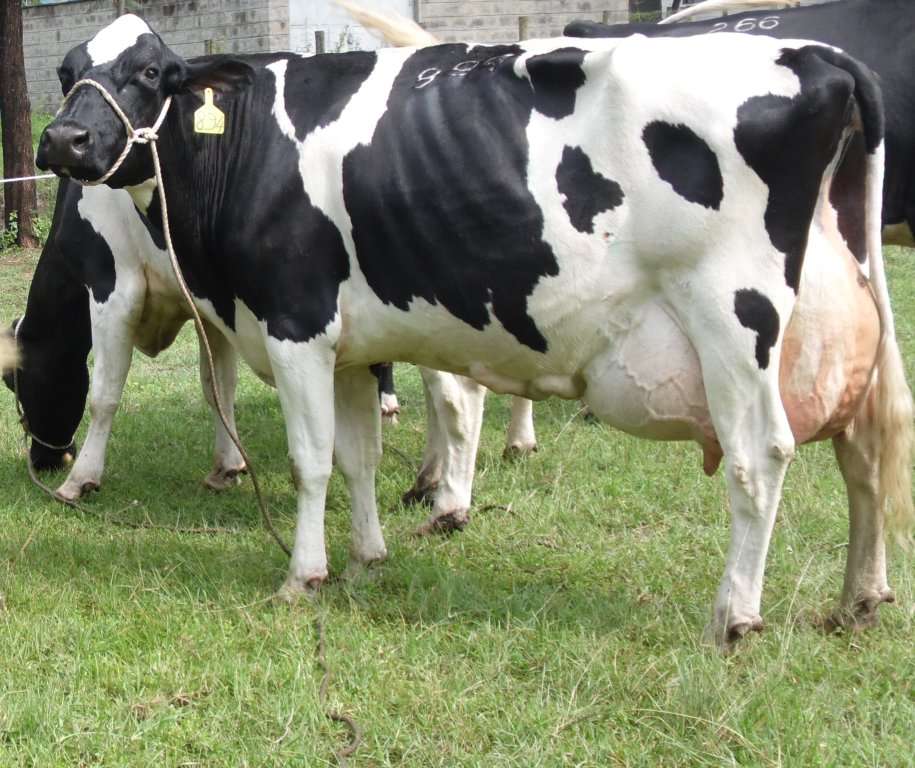
Unlocking high milk production in your herd isn’t just about how much you feed, but what and how you feed. Proper nutrition is the most cost-effective way to boost profitability.
1. Understand the Rumen: The Cow’s Engine
The secret starts in the rumen. A healthy rumen means efficient digestion, better health, and more milk. Feed for rumen health first, and milk production will follow.
2. Provide a Balanced Ration (The Key Secret)
Cows need a precise mix of four components:
-
Roughage/Forage (The Foundation): This should be 50-70% of the diet.
-
Examples: Napier grass, Rhodes grass, Maize stover, Lucerne, Desmodium.
-
Secret: Cut Napier grass at 4-6 weeks for the best protein-to-energy ratio. Never let it flower.
-
-
Concentrates/Dairy Meal (The Production Boost): Balances the energy and protein missing from forage.
-
Feed according to production: 1 kg of dairy meal for every 2-3 litres of milk the cow produces beyond what the forage can support.
-
Secret: Avoid “blanket feeding.” A cow giving 10 litres and a cow giving 25 litres have vastly different concentrate needs.
-
-
Minerals and Vitamins (The Guardian): Non-negotiable in most Kenyan soils.
-
Provide a quality mineral lick (block or powder) freely.
-
Secret: Mineral deficiencies cause low milk, infertility, and weak calves.
-
-
Clean Water (The Forgotten Nutrient):
-
A high-yielding cow drinks 4-5 litres of water for every litre of milk produced. That’s 80-100+ litres per day!
-
Secret: Ensure constant access to clean, fresh water. Restricted water intake is a direct cause of crashed milk production.
-
3. Master Forage Conservation (The Dry Season Game-Changer)
The biggest challenge in Kenya is feed during dry seasons. The secret is to plan ahead.
-
Silage: The best way to preserve nutrients from maize, sorghum, or Napier grass.
-
Hay: Make quality hay from grass or legumes when they are abundant and store it properly.
4. Feed Management Practices
-
Feed Consistency: Feed at the same time every day. The rumen thrives on routine.
-
Feed Fresh: Provide fresh forage daily. Avoid mouldy or spoiled feed.
-
The “Step-Up” Diet: For 2-3 weeks after calving, gradually increase concentrates to allow the rumen to adapt and avoid metabolic disorders.
5. Sample Daily Ration for a Cow Producing 20 Litres
-
60-70 kg of fresh Napier grass (or equivalent)
-
7-8 kg of dairy meal (spread over milking times)
-
Free-choice mineral salt lick
-
80-100 litres of clean water
📞 For Expert Advice on Optimizing Your Herd’s Nutrition, Contact Us:
Uwezo Farm
📍 Miharati, Kipipiri, Nyandarua
📲 0717 548 103
✉ info@uwezofarm.co.ke
Good feeding is not an expense; it’s an investment in milk.