
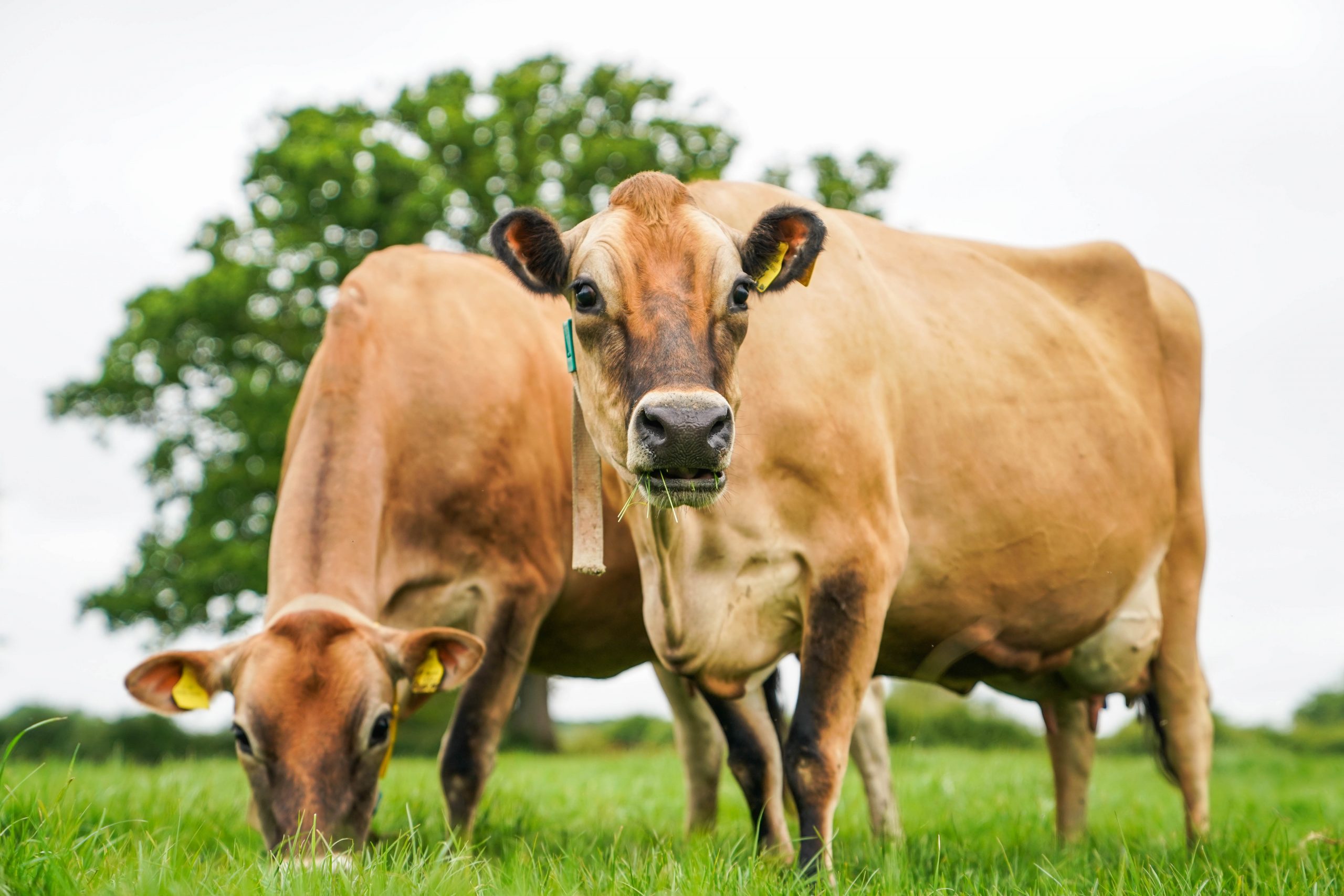
Jersey cattle are becoming an increasingly popular choice for Kenyan dairy farmers due to their unique characteristics that make them suitable for various farming systems. This guide examines the key benefits and limitations of keeping Jersey cows in Kenya’s diverse agricultural landscape.
Key Advantages:
Superior Heat Tolerance
- Jerseys adapt exceptionally well to Kenya’s warmer climates
- Maintain productivity in temperatures up to 37°C
- Perform better than other European breeds in lowland areas
Premium Milk Quality
- Produce milk with 5-6.5% butterfat content
- Higher protein and calcium levels than other breeds
- Ideal for value-added dairy products like cheese and yogurt
Economic Efficiency
- Require 30-40% less feed than larger breeds
- Consume 12-16 kg of dry matter daily
- Lower maintenance costs due to smaller size (400-500 kg)
Reproductive Advantages
- Reach puberty earlier (around 10 months)
- First calving at 18-24 months
- Longer productive lifespan (up to 12 lactations)
Management Benefits
- Fewer calving difficulties (less than 1%)
- Lower incidence of mastitis and lameness
- Easier handling due to docile temperament
Key Challenges:
Production Limitations
- Lower daily milk yields (15-25 liters)
- Not ideal for volume-focused markets
Health Considerations
- Higher susceptibility to milk fever
- Require careful mineral supplementation
- Calves need intensive care due to smaller size
Market Limitations
- Bull calves have lower beef value
- May require use of sexed semen for optimal returns
Climate Sensitivity
-
-
Calves vulnerable in cold highland areas
-
Need proper housing in cooler regions
-
Ideal Growing Regions:
-
Central Kenya (Kiambu, Murang’a)
-
Coastal areas
-
Semi-arid zones
-
Lower altitude regions
Management Recommendations:
-
Implement proper calf-rearing protocols
-
Provide balanced mineral supplementation
-
Consider value-added dairy processing
-
Use strategic breeding approaches
Conclusion:
Jersey cows present an excellent option for Kenyan farmers, particularly those in warmer regions or with limited resources. Their superior milk quality and feed efficiency make them ideal for value-added dairy production, though their lower volume output may not suit all market situations.
For farmers considering Jerseys, proper management of calves and attention to mineral nutrition are crucial for success. The breed’s adaptability and economic efficiency make it worth considering for many Kenyan dairy operations.
For more information on Jersey cattle management:
📍 Uwezo Farm, Nyandarua
📞 0717 548 103
✉ info@uwezofarm.co.ke