
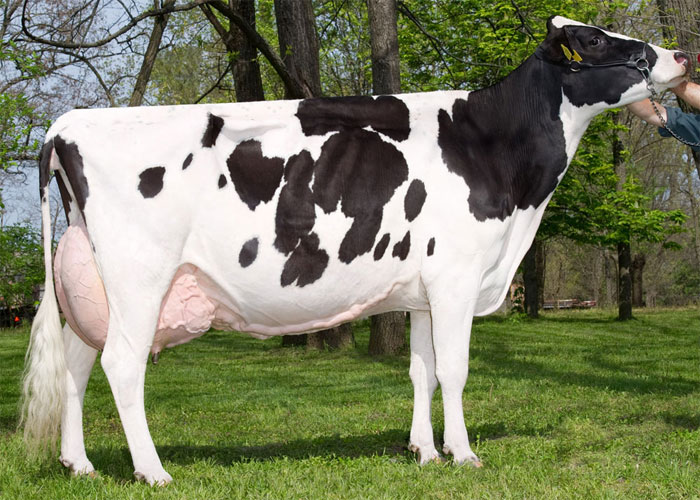
Friesian cows, also known as Holstein-Friesians, are the most popular dairy breed in Kenya due to their exceptional milk production. However, they present both significant benefits and challenges that farmers should carefully evaluate.
Key Advantages of Friesian Cows
-
Exceptional Milk Yields
-
Produce 20-60 liters per day under optimal conditions
-
Annual lactation yields can reach 8,500-10,000 kg for high-quality pedigree cows
-
-
Dual-Purpose Potential
-
Mature cows weigh 500-600 kg with bulls being heavier
-
Good beef production in addition to dairy
-
-
Early Maturity and Fertility
-
Reach maturity at 13-18 months
-
First calving typically at 24-27 months with proper nutrition
-
Can produce up to 12 lactations in their lifetime
-
-
Well-Suited for Zero-Grazing
-
Adapt well to confined systems
-
Can maintain production of 15-30 liters/day in zero-grazing setups
-
-
Wide Genetic Availability
-
Artificial insemination services widely accessible
-
Global popularity ensures quality genetics are available
-
Major Challenges of Friesian Cows
-
High Nutritional Demands
-
Require 90-110 kg of fresh forage daily
-
Need 60+ liters of water per day
-
Dependent on quality supplements (dairy meal, minerals)
-
-
Health Management Issues
-
Prone to mastitis and milk fever
-
Susceptible to tick-borne diseases
-
Vulnerable to heat stress in warm climates
-
-
Lower Milk Fat Content
-
Butterfat content typically 2.8-3.8%
-
Lower than Jersey (5-6.5%) and Ayrshire (3.8-4.5%)
-
-
Management Intensive
-
Production drops sharply with poor management
-
Require strict hygiene and health protocols
-
Need excellent housing conditions
-
-
High Replacement Costs
-
Many cows culled early due to fertility issues
-
Significant investment needed to maintain herd quality
-
Ideal Growing Conditions in Kenya
Best Regions:
-
Cool highland areas (Nakuru, Laikipia, Eldoret, Nyandarua)
-
Require consistent temperatures below 25°C
Less Suitable Areas:
-
Hot lowland regions
-
Arid/semi-arid areas with feed scarcity
Where to Source Quality Friesians in Kenya
Reputable sources include:
-
Government agricultural research stations
-
Established dairy breeding farms
-
University agricultural farms
-
Certified breeders’ associations
Conclusion
Friesians offer unmatched milk production potential but demand excellent management. They thrive best in:
-
Cool climate zones
-
Farms with reliable feed supplies
-
Operations with strong veterinary support
For farmers in hotter regions or with limited resources, crossbreeds or Jerseys may be more sustainable alternatives.
For expert guidance on Friesian dairy farming:
📍 Location: Miharati, Kipipiri, Nyandarua
📞 Call: 0717 548 103
📧 Email: info@uwezofarm.co.ke
🌐 Visit: www.uwezofarm.co.ke
The content is helpful to dairy farmers both small and large scale Keep it up.