
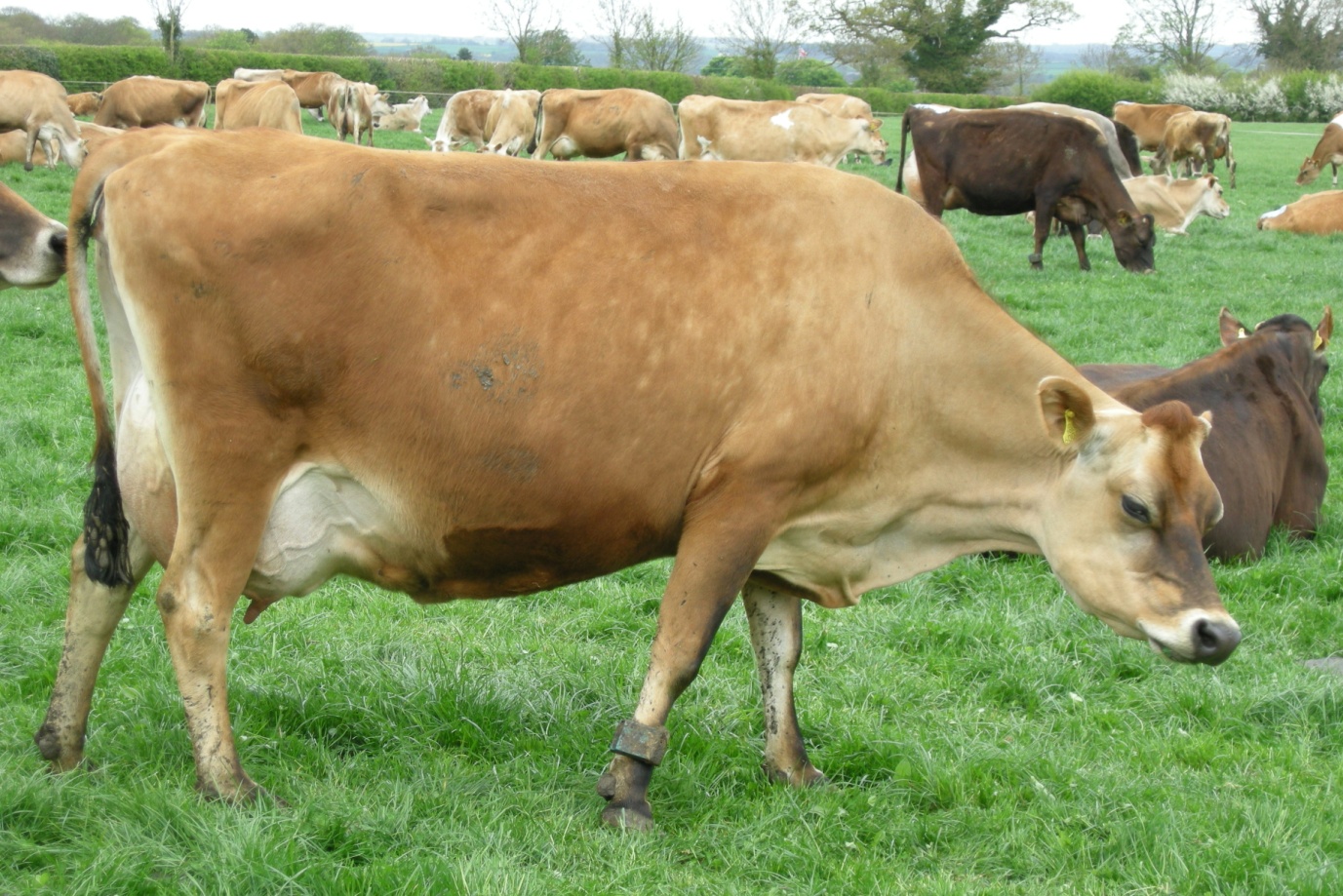
Jersey cows are a popular dairy breed in Kenya, valued for their high milk quality and adaptability to various farming conditions. Here’s an overview of Jersey cows in the Kenyan context:
1. Breed Characteristics
- Origin: Jersey Island, English Channel.
- Size: Smaller than other dairy breeds like Friesians—mature cows weigh 350–450 kg.
- Color: Typically fawn to dark brown, sometimes with white markings.
- Milk Production:
- Average yield: 15–20 liters per day under good management.
- High butterfat content (4.5–5.5%) and protein (3.5–4%), ideal for cheese, yogurt, and ghee.
- Temperament: Generally docile and easy to handle.
2. Adaptability in Kenya
- Climate Tolerance: Better heat tolerance than larger European breeds, making them suitable for Kenya’s varied climates, including mid-altitude and some warmer regions.
- Feed Efficiency: Require less feed than larger breeds, which is advantageous for smallholder farmers with limited resources.
- Disease Resistance: While not as hardy as indigenous breeds (e.g., Zebu), Jerseys are more resilient than Holsteins when crossbred or well-managed.
3. Popularity Among Farmers
- Common among small- to medium-scale dairy farmers, especially in the Central, Rift Valley, and parts of Western Kenya.
- Often used in crossbreeding programs with local breeds (e.g., Ayrshire or Friesian) to improve milk quality while maintaining hardiness.
4. Challenges
- Susceptibility to Diseases: Can be vulnerable to East Coast Fever, mastitis, and foot rot if not properly managed.
- Management Needs: Require good nutrition, clean housing, and regular veterinary care to reach their production potential.
- Market Limitations: While their milk is rich, some local markets pay based on volume rather than fat content, potentially reducing economic returns compared to high-volume breeds.
5. Support and Availability
- Available through government farms (e.g., Livestock Breeding Centres), private AI (Artificial Insemination) services, and dairy cooperatives.
- Organizations like the Kenya Livestock Breeders Organization (KLBO) and Kenya Dairy Board support breed improvement and farmer education.
6. Economic Impact
- Jersey cows contribute to household nutrition and income, especially in rural areas.
- Their high-quality milk supports value-added dairy products, aligning with growing demand for premium dairy in urban markets.
Tips for Kenyan Farmers Considering Jerseys:
- Ensure access to quality pasture and supplements (e.g., dairy meal).
- Use artificial insemination with certified Jersey semen to maintain breed purity or create productive crossbreeds.
- Practice good biosecurity and regular health checks.
In summary, Jersey cows offer a balanced option for Kenyan dairy farmers seeking quality milk with moderate input requirements, especially when integrated into well-managed smallholder systems.