
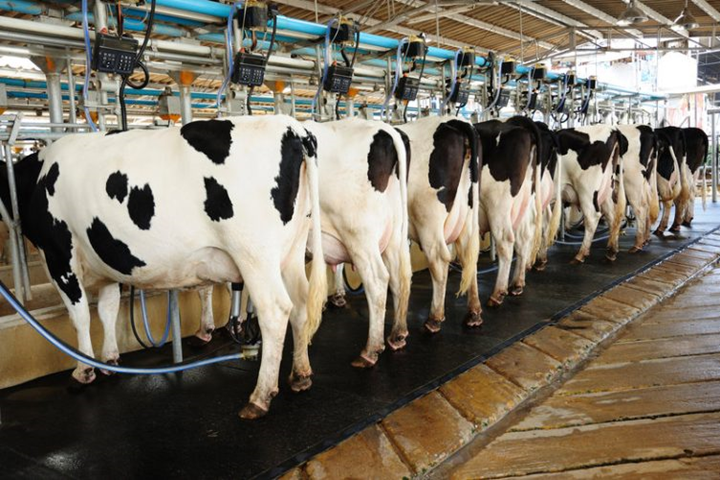
Starting a dairy farm in Kenya involves various costs depending on scale, location, and management practices. Below is a detailed breakdown of the costs, along with tips for success and information about Uwezo Farm, a trusted supplier of dairy cattle.
1. Initial Investment Costs
The initial investment varies based on scale (small, medium, or large), location, and farming system (e.g., zero-grazing vs. free-range). Here’s a summarized breakdown:
A. Land Costs
-
Purchase: KSh 500,000 – 2,000,000 per acre (highlands like Nyandarua or Kiambu are ideal) .
-
Lease: KSh 5,000 – 15,000 per acre/year (short-term alternative) .
B. Infrastructure & Equipment
-
Housing (cowshed): KSh 300,000 – 1,000,000 (ventilated, with drainage) .
-
Water systems: KSh 100,000 – 300,000 (storage tanks, pipes, borehole) .
-
Milking equipment: KSh 80,000 – 300,000 (manual or machine-based) .
-
Feed storage & fencing: KSh 50,000 – 150,000 each .
C. Livestock Costs
-
High-yield breeds:
-
Friesian: KSh 150,000 – 200,000/cow
-
Ayrshire: KSh 120,000 – 180,000/cow
-
Jersey: KSh 80,000 – 150,000/cow
-
-
Initial healthcare: KSh 2,700 – 7,000/cow (vaccinations, deworming, vet check-ups) .
D. Total Initial Setup (Examples)
-
Small-scale (2–5 cows): KSh 250,000 – 400,000
-
Medium-scale (10 cows): KSh 1.98M – 4.95M
-
Large-scale (50 cows): KSh 6.75M – 15.6M
2. Monthly Operational Costs
Recurring expenses are critical for sustainability:
-
Feeds & supplements: KSh 700 – 1,300/cow/day (largest expense). Grow fodder (Napier grass) to cut costs .
-
Labor: KSh 10,000 – 20,000/worker/month (skilled farmhands) .
-
Veterinary care: KSh 30,000 – 50,000/month for 10 cows .
-
Utilities & maintenance: KSh 5,000 – 15,000/month .
-
Total monthly for 10 cows: KSh 115,000 – 190,000 .
3. Cost-Saving Tips
-
Lease land and infrastructure to reduce upfront costs .
-
Grow your own fodder (e.g., Napier grass) to cut feed expenses by 40–50% .
-
Start small (2–5 cows) and scale gradually .
-
Join cooperatives for better input prices and market access .
-
Use AI for breeding to improve genetics affordably .
4. Challenges to Consider
-
High feed costs (60–70% of operational expenses) .
-
Disease risks (mastitis, East Coast Fever). Regular vet care is essential .
-
Market fluctuations: Sell directly to consumers or processors (e.g., Brookside) for stable prices .
-
Climate dependence: Droughts affect fodder availability .
5. Profitability and Revenue
-
Milk sales: Average yield of 20–30 liters/cow/day (Friesian) at KSh 45–50/liter .
-
Monthly revenue for 10 cows: KSh 337,500 – 375,000 .
-
Additional revenue: Calf sales (KSh 200,000 – 500,000/year) and manure sales (KSh 150,000 – 250,000/year) .
-
Net profit for 10 cows: KSh 185,000 – 260,000/month (after costs) .
-
Break-even period: 12–16 months for small/medium farms .
6. About Uwezo Farm
Uwezo Farm is a trusted supplier of quality dairy cows in Kenya, offering:
-
High-yield, disease-resistant cows adapted to diverse climates .
-
Nationwide delivery to locations like Murang’a, Kisumu, and Eldoret .
-
Professional guidance on dairy farming practices .
-
Contact details:
-
📍 Miharati, Kipipiri, Nyandarua
-
📲 0717 548 103 (Call/WhatsApp)
-
Conclusion
Starting a dairy farm in Kenya requires KSh 250,000 – 15.6M+ in initial investment, depending on scale. Prioritize quality breeds, efficient feeding, health management, and diversified income. With proper planning, dairy farming can generate monthly profits of KSh 45,000+ for 5 cows and KSh 185,000+ for 10 cows. For expert guidance and premium dairy cattle, consider contacting Uwezo Farm