
Introduction
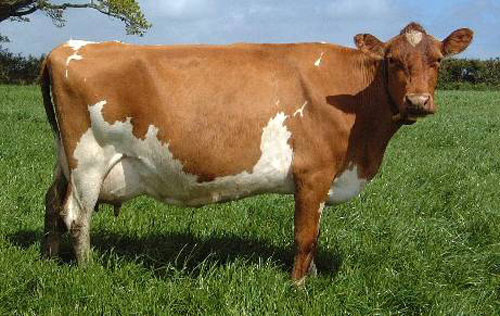
Ayrshire cattle are a popular dairy breed in Kenya, known for their balanced milk production and adaptability. This guide examines their key benefits and limitations for Kenyan farmers.
Key Advantages:
Moderate Milk Production
- Average 20-30 liters per day
- Milk has good butterfat content (3.8-4.5%)
- Suitable for both liquid milk and processing
Excellent Adaptability
- Thrive in diverse Kenyan climates
- Perform well in both highlands and lowlands
- More heat-tolerant than Friesians
Strong Physical Constitution
- Robust legs and feet for grazing
- Good resistance to common cattle diseases
- Long productive lifespan (8-10 lactations)
Feed Efficiency
- Require less feed than Friesians
- Can maintain production on good quality forage
- Adapt well to pasture-based systems
Calving Ease
- Fewer birthing complications
- Strong maternal instincts
- Good calf survival rates
Key Challenges:
Moderate Production Levels
- Lower yields than Friesians
- Not ideal for maximum volume production
Udder Structure Issues
- Some lines may develop pendulous udders
- Requires proper udder support management
Variable Temperament
- Can be more spirited than other breeds
- May require experienced handlers
Market Perception
- Less recognized than Friesians
- May fetch slightly lower prices
Management Recommendations:
Feeding Program
- Balanced ration for optimal production
- Mineral supplementation
- Quality forage base
Breeding Selection
- Choose animals with strong udder attachment
- Select for docile temperament
- Use proven AI sires
Health Management
- Regular vaccination program
- Hoof care maintenance
- Mastitis prevention protocols
Ideal Growing Regions:
-
Central Kenya highlands
-
Rift Valley regions
-
Western Kenya
-
Areas with reliable rainfall
Conclusion:
Ayrshires offer Kenyan farmers a balanced dairy option that combines decent production with good adaptability. While not the highest yielders, their hardiness and efficiency make them particularly suitable for medium-scale operations and areas with variable conditions.
For farmers seeking a breed that performs well with moderate inputs while delivering quality milk, Ayrshires present a compelling choice that deserves consideration alongside more popular dairy breeds.
For more information on Ayrshire cattle management:
📍 Uwezo Farm, Nyandarua
📞 0717 548 103
✉ info@uwezofarm.co.ke